Backlinks remain a cornerstone of effective search engine optimization (SEO). While Google's algorithms have evolved dramatically over the years, they still consider quality backlinks a strong indicator of authority, trustworthiness, and relevance. Websites with robust backlink profiles consistently outrank competitors, draw more organic traffic, and build lasting credibility in their niche. But how can you build quality backlinks in 2024 without falling into the trap of outdated link schemes or spammy tactics? This article explores actionable strategies, real-world examples, and up-to-date data to help you create backlinks that actually boost your rankings.
Why Quality Backlinks Matter More Than Ever
Search engines like Google use backlinks as votes of confidence. Each link from a reputable site signals that your content is valuable and trustworthy. According to a 2023 Ahrefs study, 91% of all web pages receive zero organic traffic from Google, and the lack of backlinks is a major reason. In fact, pages ranking in the top 10 search results have an average of 3.8 times more backlinks than those ranked below.
But not all backlinks are created equal. In 2024, Google’s algorithms are increasingly adept at distinguishing between genuine recommendations and manipulative links. Low-quality or spammy backlinks can even trigger penalties, harming your rankings instead of helping them. That’s why the focus must be on earning relevant, high-quality links from authoritative sources in your industry.
Understanding What Makes a Backlink “Quality”
Before diving into strategies, it’s essential to recognize what separates a high-value backlink from a mediocre or harmful one. Key factors include:
- $1 Links from trusted, authoritative domains (like major news outlets or respected blogs) carry much more weight than those from obscure or low-quality sites. - $1 The linking site’s content should relate closely to your own topic or industry. - $1 Links in the body of an article, surrounded by relevant text, are more impactful than those tucked away in footers or sidebars. - $1 Descriptive, natural anchor text (the clickable words in a hyperlink) signals what the linked page is about, but over-optimization can raise red flags. - $1 “Dofollow” links pass SEO value, while “nofollow” links do not—although the latter can still drive traffic and brand awareness.Here’s a quick comparison of backlink types:
| Backlink Type | SEO Value | Best Use Case |
|---|---|---|
| Dofollow | High | From authoritative, relevant sites for maximum ranking impact |
| Nofollow | Limited | Brand awareness, referral traffic, diversification of link profile |
| Sponsored/UCG | Varies | Links from sponsored content or user-generated content; use for transparency and compliance |
Proven Strategies for Earning Quality Backlinks
The days of buying links or spamming comment sections are long gone. Instead, successful link builders focus on strategies that naturally attract high-quality backlinks. Here are some of the most effective tactics for 2024:
1. Create Link-Worthy Content Assets
Content is still king when it comes to attracting backlinks. But not all content is equally “linkable.” The most successful pieces—often called “link magnets”—offer unique value, such as:
- Original research or data studies (e.g., a report with new industry statistics) - Comprehensive guides or tutorials (that become go-to resources) - Interactive tools or calculators relevant to your audience - Infographics or visual data that others want to citeFor example, Backlinko’s 2023 SEO Ranking Factors Study attracted over 5,000 backlinks because it provided unique, in-depth analysis. Similarly, HubSpot’s “State of Inbound” reports are widely cited across digital marketing blogs.
To maximize your odds, identify topics in your niche that lack thorough coverage or fresh data. Use tools like Ahrefs Content Explorer or BuzzSumo to analyze which types of content in your industry earn the most backlinks.
2. Digital PR: Building Relationships with Journalists and Bloggers
Digital PR is one of the most effective ways to secure high-authority links. Instead of blasting generic press releases, focus on personalized outreach and relationship-building. Here’s how:
- Identify journalists, bloggers, and editors who cover your topic using tools like Muck Rack, HARO (Help a Reporter Out), or Twitter. - Pitch unique story angles, exclusive data, or expert insights relevant to their recent work. - Offer to become a subject matter expert for future stories.In 2022, a survey by Cision found that 71% of journalists prefer pitches tied to current trends or original research. When your pitch provides value, you’re more likely to earn a coveted link from a major publication.
3. Resource Page and Broken Link Outreach
Many authoritative sites host “resource” pages—curated lists of useful links on specific topics. Find relevant resource pages in your industry (search Google for “keyword + resources” or “keyword + useful links”). If your content fits, reach out and suggest it as an addition.
Similarly, use tools like Check My Links or Screaming Frog to find broken links on high-value pages. If you have (or can create) a replacement resource, contact the webmaster and offer your link as an updated alternative. According to a Semrush study, broken link building boasts a success rate of 5-10%, which is higher than many cold outreach methods.
4. Leverage Brand Mentions and Unlinked Citations
Sometimes, websites mention your brand, products, or unique research without linking to your site. These “unlinked mentions” are low-hanging fruit for backlink opportunities. Use tools like Google Alerts or Ahrefs’ Mentions Tracker to monitor new citations.
When you find an unlinked mention, politely reach out to the author or webmaster and request that they add a link to your relevant page. Since they’ve already referenced your brand, the conversion rate for these requests is often higher than for cold outreach.
5. Strategic Guest Posting (The Right Way)
Guest posting is not dead, but it must be approached with care. Focus on writing for reputable, relevant websites—not low-quality blogs created solely for link schemes. Only pitch topics that genuinely add value to the host’s audience, and avoid keyword-stuffed anchor text.
A 2023 survey by Authority Hacker found that 53% of SEO professionals still consider guest posting one of their most effective link-building tactics—when executed with quality and relevance as the top priorities.
Measuring the Impact of Your Backlink Efforts
Building backlinks is just the beginning. To ensure your efforts are paying off, it’s essential to track key metrics over time. Here’s what to monitor:
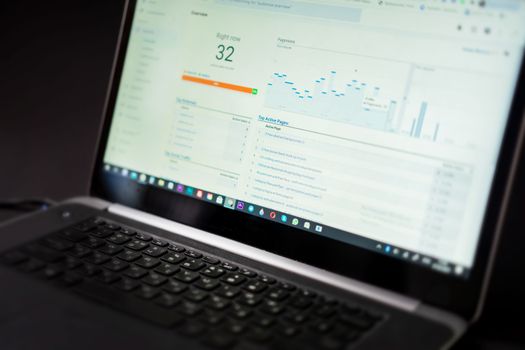
- Number of referring domains: Pages with links from a diverse range of domains rank higher than those with many links from the same site. - Domain authority of linking sites: Focus on earning links from sites with high authority scores (measured by Moz, Ahrefs, or SEMrush). - Organic traffic changes: Use Google Analytics or Search Console to track shifts in rankings and traffic for pages attracting new links. - Link growth velocity: A steady, natural increase in backlinks is ideal. Sudden spikes can look suspicious to search engines.According to Moz’s 2024 Link Building Report, a 10% increase in referring domains can lead to a 14-20% increase in organic traffic over the following six months, assuming the links are relevant and high-quality.
Final Thoughts on Building Quality Backlinks for Better Rankings
Building quality backlinks in 2024 requires creativity, persistence, and a focus on genuine value. The most successful strategies revolve around creating exceptional content, forging real relationships, and earning links that make sense for both users and search engines. Avoid shortcuts—Google’s algorithms are too smart for manipulative tactics, and the risks far outweigh the rewards.
Instead, invest in assets and outreach that naturally attract attention and citations in your industry. By tracking your progress and continually refining your approach, you’ll not only improve your rankings but also build lasting authority and trust in your niche.