Local SEO has always been a powerful tool for connecting businesses with customers in their immediate area, but in 2024, its role has evolved dramatically. With search engines prioritizing hyperlocal results and users expecting seamless, personalized experiences, local SEO is no longer a “nice to have”—it’s a necessity for any business that wants to thrive in its community. Whether you run a cozy coffee shop, a legal practice, or a regional service company, understanding and preparing for the changing landscape of local SEO in 2024 can make all the difference in your visibility and growth.
The Evolving Landscape: Why Local SEO in 2024 Is Different
In recent years, local SEO has been shaped by significant technological advancements and shifting user behaviors. In 2024, several new trends are influencing how businesses are found locally:
- Voice searches have exploded in popularity, with over 58% of consumers using voice assistants to find local businesses according to Statista. - Mobile-first indexing is now standard, making mobile optimization crucial for ranking in local searches. - Google’s “near me” searches have increased by more than 200% in the past two years, highlighting the demand for immediate, location-based results. - AI-driven personalization is making local search results more tailored to each individual, considering preferences, behaviors, and even time of day.But perhaps the biggest change is the shift to zero-click searches. According to a 2023 SEMrush study, 65% of Google searches now end without a click, as users get their answers directly from the search results page. For local businesses, this means that optimizing for rich results, Google Business Profiles, and map packs is more important than ever.
Key Factors Driving Local SEO Success in 2024
To succeed in local SEO today, businesses must focus on several critical factors that have become non-negotiable:
1. $1: Formerly known as Google My Business, this profile is often the first thing a customer sees about your company. In 2024, completeness, accuracy, and frequent updates are vital. Businesses with updated profiles receive up to 70% more location visits, according to Google. 2. $1: Name, Address, and Phone number (NAP) data must be consistent across all platforms. Inconsistent NAP information can confuse both search engines and customers, leading to a 23% drop in ranking potential (BrightLocal). 3. $1: Being listed on reputable local directories, such as Yelp, TripAdvisor, and industry-specific platforms, boosts credibility and authority. 4. $1: Over 78% of local mobile searches result in an offline purchase, making mobile-friendly design a critical ranking factor. 5. $1: Reviews are central to local trust and SEO. Businesses with an average rating of 4.0 or higher see a 60% increase in click-through rates, and responding to reviews—both positive and negative—improves visibility. 6. $1: Hyperlocal content about neighborhood news, events, and services helps capture long-tail keyword searches and foster community engagement.Preparing for Hyperlocal and Personalized Search Results
Hyperlocal SEO focuses on targeting customers in very specific geographic areas—sometimes down to a single street or neighborhood. In 2024, search engines use AI and geolocation data to deliver even more precise results.
Here’s how to prepare for this heightened level of localization:
- $1: If you serve multiple areas, dedicated pages for each location with unique content and directions can boost your relevance. - $1: LocalBusiness schema helps search engines understand your business, services, and service areas, increasing your chance of appearing in local packs. - $1: Add photos, business hours, and service options to your Google Business Profile. Use Google Posts to share updates, events, or offers that appear directly in search results. - $1: Ask customers to mention specific neighborhoods or services in their reviews, increasing your relevance for those searches. - $1: Sponsor local events and create content about them. This will earn you local backlinks and mentions that improve your authority.The Impact of AI and Automation on Local SEO Strategies
Artificial intelligence is reshaping local SEO in 2024, providing both challenges and opportunities. AI-driven algorithms now analyze not just keywords but also user intent, time of search, and contextual signals.
- $1: Google and other search engines offer search results tailored to individual preferences and past behaviors. For example, someone searching for “pizza near me” at 11 PM will see different results than at 1 PM, based on local business hours, popularity, and user profile. - $1: Tools powered by AI can now summarize and highlight customer sentiment in reviews, influencing which reviews are featured most prominently. - $1: With the rise of smart speakers and mobile assistants, optimizing for voice search is essential. This means using natural language, answering common questions, and ensuring your information is easily accessible to voice-based systems. - $1: AI tools can predict when certain services will be in demand locally, allowing businesses to adjust their content and advertising strategies accordingly.Tracking and Measuring Local SEO Results in 2024
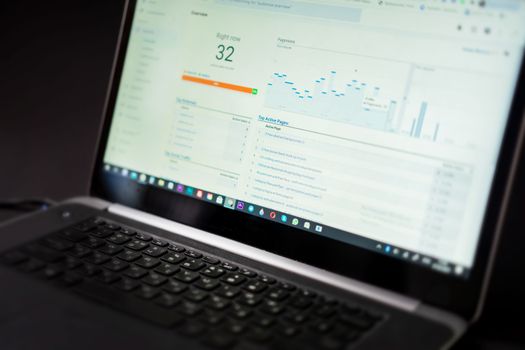
Measuring the effectiveness of your local SEO efforts requires more than just tracking rankings. In 2024, businesses use a variety of metrics and tools to gauge their performance and make data-driven decisions.
| Metric | Description | 2024 Benchmark |
|---|---|---|
| Google Business Profile Views | Number of times your profile appears in search/maps | Average 1,200/month for SMBs |
| Click-Through Rate (CTR) | Percentage of users clicking from search to your site/profile | Target 5-8% for local searches |
| Conversion Rate | Number of calls, bookings, or direction requests | 15-30% for optimized profiles |
| Review Volume & Rating | Total reviews and average rating | 4.0+ stars, 50+ reviews |
| Local Keyword Rankings | Ranking position for target local keywords | Top 3 for key search terms |
Popular tools for local SEO tracking include Google Search Console, Google Analytics 4, BrightLocal, and Moz Local. These platforms provide insights into how customers find your business, what actions they take, and which keywords drive the most valuable traffic.
Adapting Your Local SEO Strategy for the Future
To remain competitive in the evolving local SEO landscape, businesses must adopt a proactive, adaptive mindset. Here’s how you can future-proof your strategy:
- $1: Local SEO best practices evolve quickly. Subscribe to industry newsletters, attend webinars, and stay updated on Google’s algorithm changes. - $1: Customers interact with businesses across multiple platforms—make sure your information is consistent everywhere, from social media to third-party directories. - $1: In 2024, 82% of consumer internet traffic is video. Adding short videos to your Google Business Profile or local landing pages can dramatically increase engagement. - $1: Make sure your website and profiles are usable by everyone, including people with disabilities. Search engines favor accessible experiences, and it expands your potential customer base. - $1: Use tools to track what your local competitors are doing. If they receive a surge in reviews or launch a new service, respond quickly with your own initiatives.Final Thoughts on Preparing for Local SEO in 2024
The landscape of local SEO in 2024 is more dynamic and competitive than ever. Businesses that adapt to new technologies, prioritize their Google Business Profile, and create hyperlocal, engaging content will set themselves apart from the competition. AI, voice search, and zero-click results are reshaping how customers find local businesses, making it essential to optimize every aspect of your online presence. By taking a proactive approach—measuring results, responding to trends, and continuously refining your strategy—you can ensure that your business not only survives but thrives in the new era of local search.