In the fast-paced world of digital marketing, every business faces a crucial decision: how best to attract customers online. The two most prominent strategies are Search Engine Optimization (SEO) and Pay-Per-Click (PPC) advertising. Both offer unique advantages and challenges, but choosing the right one can make a substantial difference in your marketing success and return on investment. As search engines evolve and user behaviors shift, understanding the nuances between SEO and PPC is more important than ever. In this article, we’ll dive into the core differences, the strengths and limitations of each approach, and how to determine which strategy aligns best with your business goals and resources.
Understanding SEO: Building Long-Term Organic Visibility
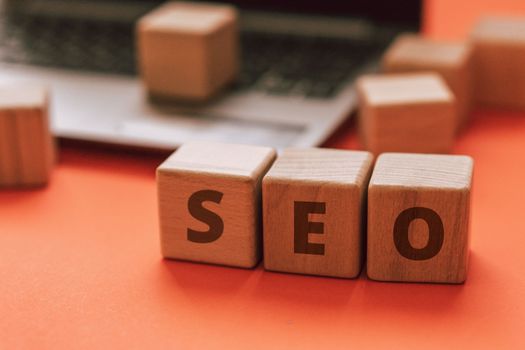
SEO, or Search Engine Optimization, is the practice of optimizing your website so it ranks higher in organic (unpaid) search results. This involves refining on-page elements (like keywords and content), technical aspects (such as site speed and mobile-friendliness), and off-page factors (notably backlinks).
$1 - According to BrightEdge, 53% of all website traffic comes from organic search. - A study by Backlinko found that the #1 result in Google’s organic search gets about 27.6% of all clicks. - SEO is a long-term investment: changes can take weeks or months to reflect in rankings.SEO’s greatest strength is sustainability. Once your pages rank well, you can attract visitors and leads without direct costs per click. Well-optimized content continues working for you around the clock, and high organic rankings build trust with customers—Google’s top results are seen as more authoritative.
However, SEO is not without its challenges: - Results are not immediate: It can take 3-6 months or longer to reach the first page for competitive terms. - SEO requires consistent effort: Search algorithms change, and competitors are always optimizing. - There’s no guarantee: Even with best practices, rankings can fluctuate due to algorithm updates or new competition.SEO is ideal for businesses seeking sustainable, cost-effective growth and willing to invest the time and resources needed for long-term gains.
PPC Advertising: Instant Traffic and Measurable Results
Pay-Per-Click (PPC) advertising is a model where you pay each time someone clicks your ad. The most popular platform is Google Ads, but options like Bing Ads, Facebook, and Instagram also offer PPC formats. With PPC, your ads appear above or beside the organic results, often labeled as “Sponsored”.
$1 - Google Ads reaches over 90% of global internet users. - The average click-through rate (CTR) for Google Ads across all industries is about 3.17% (WordStream, 2023). - Businesses make an average of $2 in revenue for every $1 spent on Google Ads (Google Economic Impact Report).PPC’s biggest advantage is speed. You can launch a campaign and start receiving targeted traffic within hours. Campaigns are highly measurable—you can track impressions, clicks, conversions, and costs in real time. This makes PPC ideal for product launches, seasonal promotions, or testing new markets.
But PPC also comes with limitations: - Costs can add up quickly, especially in competitive industries where keywords may cost $50 or more per click. - Traffic stops when your budget runs out; there’s no “residual” effect like with SEO. - Ad fatigue and increased competition can drive up costs over time.PPC is best for businesses needing immediate visibility, promoting time-sensitive offers, or those with sufficient budget to compete in paid search auctions.
Comparing SEO and PPC: A Side-by-Side Look
To help clarify the differences, here’s a comparison table outlining the key aspects of SEO and PPC:
| Aspect | SEO | PPC |
|---|---|---|
| Cost Structure | Upfront and ongoing (content, optimization, tools); no cost per click | Pay per click; ongoing ad spend required |
| Time to Results | 3-6 months or more for significant impact | Immediate (traffic starts once ads go live) |
| Longevity | Ongoing results if rankings are maintained | Traffic stops when ads are paused or budget ends |
| Click-Through Rate | Organic results typically receive 70-80% of clicks | Ads receive 20-30% of clicks (varies by industry) |
| Trust & Credibility | High; users trust organic results more | Lower; ads are often skipped by savvy users |
| Scalability | Limited by search volume and competition | Easy to scale with budget increases |
| Data & Analytics | Less granular; reliant on organic search data | Highly detailed; track every click and conversion |
When Should Businesses Focus on SEO?
SEO is a strong fit for businesses with a long-term vision and a desire to build digital assets that grow in value over time. Consider prioritizing SEO if:
- $1 Organic traffic provides a steady stream of visitors without ongoing ad spend. - $1 Ranking for less competitive keywords can deliver significant traffic at a lower cost. - $1 High rankings establish trust and credibility, which are hard to replicate with ads alone. - $1 Consistent content creation and technical improvements are essential for SEO success.For example, a local law firm or an e-commerce business with a wide range of products can benefit immensely from SEO. Over time, they can dominate local or niche-specific search results, reducing the need for constant advertising.
When is PPC the Right Choice?
PPC shines in scenarios where speed, precise targeting, and measurable ROI are critical. You should consider PPC if:
- $1 Product launches, flash sales, or events benefit from instant traffic. - $1 Some search terms, especially those at the end of the buyer’s journey, are highly competitive in organic search but can be accessed via PPC. - $1 PPC allows for rapid experimentation and data gathering. - $1 For example, in legal, insurance, or finance, organic rankings can be tough to achieve, so PPC provides an alternative route to visibility.A tech startup launching a new SaaS product, for example, may rely on PPC in the early days to generate leads rapidly while building up their organic presence through SEO over time.
Integrating SEO and PPC: The Best of Both Worlds
While SEO and PPC are often discussed as alternatives, combining them can produce even better results. A 2022 study by Google found that using both paid and organic search results increases total clicks by 89% compared to relying on SEO alone.
Here’s how integration can work: - $1 Use PPC data to identify high-converting keywords and optimize SEO content accordingly. - $1 Appearing in both paid and organic results doubles your presence on the search engine results page (SERP), increasing brand trust and click-through rates. - $1 Test headlines, offers, and landing pages in PPC campaigns, then apply the winning variations to your organic content. - $1 Use PPC to retarget visitors who found you through organic search but didn’t convert.This synergistic approach helps you cover all stages of the buyer’s journey, maximize your SERP real estate, and adapt quickly to changing market conditions.
Making the Right Choice: Key Considerations for Your Business
Choosing between SEO and PPC—or deciding on the right mix—depends on your unique situation. Here are the main factors to evaluate:
- $1 If you have a limited marketing budget, SEO may offer better long-term value, though it requires patience. If you have funds to invest in quick wins, PPC can deliver immediate results. - $1 For urgent goals or short-term campaigns, PPC is the clear winner. For building lasting brand equity, SEO is essential. - $1 Highly saturated markets may require starting with PPC while gradually building SEO authority. - $1 SEO demands content creation and technical work, while PPC requires ongoing monitoring and optimization of ads and landing pages. - $1 Are you seeking brand awareness, leads, sales, or a mix? Define your objectives and match your strategy accordingly.Often, the most successful businesses use both strategies at different stages. For example, an online retailer may use PPC to promote holiday sales while nurturing organic SEO for year-round traffic.
Final Thoughts on SEO vs. PPC for Business Growth
SEO and PPC each play a critical role in modern digital marketing. SEO builds a sustainable, authoritative online presence, while PPC provides speed, flexibility, and precise targeting. The right choice isn’t always an either/or proposition—in fact, blending both strategies often delivers superior results. As search engine algorithms and advertising platforms evolve, regularly reassess your strategy, analyze your data, and be prepared to adapt. By understanding the strengths and limitations of SEO and PPC, you can allocate your resources wisely and achieve lasting business growth online.